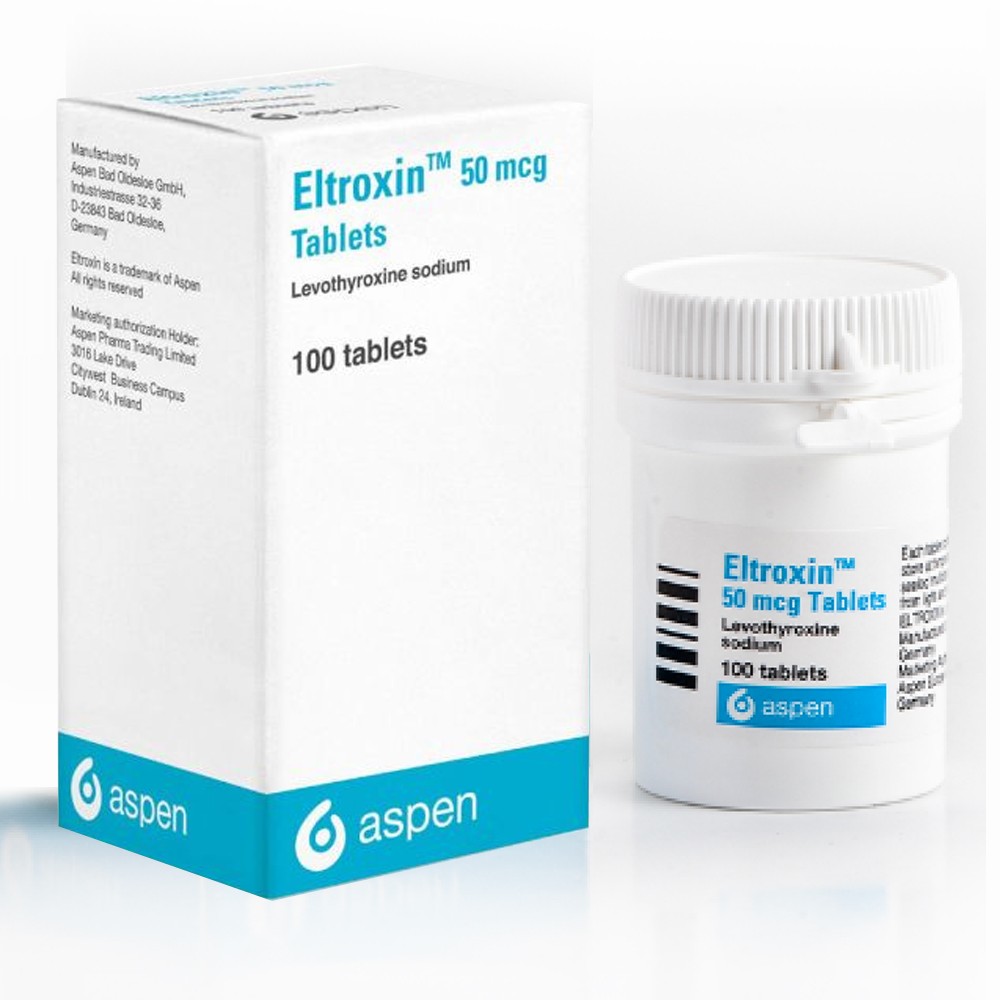
Electrosyn 50 mg Levothyroxine is a thyroid hormone to compensate for the lack of thyroid hormone available in your body. It is used to treat the following indications:
• (Hypothyroidism) is a medical condition that causes the thyroid gland to secrete a smaller than normal amount of thyroid hormone. Because the function of thyroid hormone is to regulate your metabolism. Symptoms of hypothyroidism include:
- Intolerance to cold.
- Muscle pain.
- Hair loss.
- Deep voice and fatigue.
- overweight .
- Dry and flaky skin.
• Tumors that respond to TSH (parathyroid tumor type).
Levothyroxine should not be taken in these cases:
• If you are allergic to levothyroxine.
- Any other ingredients this medicine contains. You should tell your doctor about the symptoms you feel.
• Uncorrected adrenal insufficiency (underactive adrenal glands in your kidneys).
What should you beware of and what should you be careful of?
• Tell your doctor or pharmacist if you experience allergic reactions such as low blood pressure and dizziness. Shortness of breath, skin rash, and swelling of the face or neck.
• Tell your doctor if you feel any signs or symptoms of heart problems, such as:
- shortness of breath ,
-Fatigue upon exertion,
-pain in chest ,
-peripheral swelling,
-Fast or slow heart rate. Be sure to tell your doctor about any heart disease you have.
• Your doctor may recommend that you undergo periodic thyroid hormone tests to ensure that your levels are normal.
• Be sure to talk to your doctor about any problems with your adrenal glands before using this medication.
• This medicine is likely to affect your blood glucose levels if you have diabetes (high blood sugar levels). Dosage adjustments of your diabetes medications and close regular monitoring of blood glucose levels are required.
• If you take a higher dose than required, this medication may negatively affect your bone density.
Possible effects of levothyroxine
Possible side effects of levothyroxine include side effects of hyperthyroidism if excessive doses are taken, such as:
- increased blood pressure or heart rate,
- shortness of breath ,
- Fatigue upon exertion,
- chest pain,
- peripheral swelling,
- palpitations, convulsions,
- Tired ,
- weight loss of appetite,
- heat intolerance,
- Fever ,
- sweating,
- headache ,
- anxiety ,
- nervous,
- muscle weakness,
- Jerk,
- difficulty breathing ,
- Diarrhea ,
- abdominal pain,
- vomiting,
- increase in liver enzymes,
- Hair loss and skin rashes,
- decrease in body density,
- weakness. Fertility and irregular menstrual cycle.
Levothyroxine uses
For adults:
The recommended starting dose is 1.6 mcg/kg/day. The dose is adjusted in increments of 12.5-25 mcg every 4-6 weeks until normal thyroid hormone levels are achieved. Then test your thyroid hormone levels every 6-12 months after that. The initial dose is not fixed and can change depending on the indication and its severity.
Pregnant women may also need higher doses depending on thyroid hormone levels.
For children:
Dosages are based on weight. Take your dose as prescribed by your doctor. It requires close monitoring of thyroid hormone levels every 2-4 weeks until normal levels are reached and every 3-12 months thereafter until growth is complete.
• Take one tablet as a single daily dose.
• Take it on an empty stomach, half an hour to an hour before breakfast.
• Take the dose at least 4 hours before or after iron, antacids and calcium.
• Take one tablet with a full glass of water.